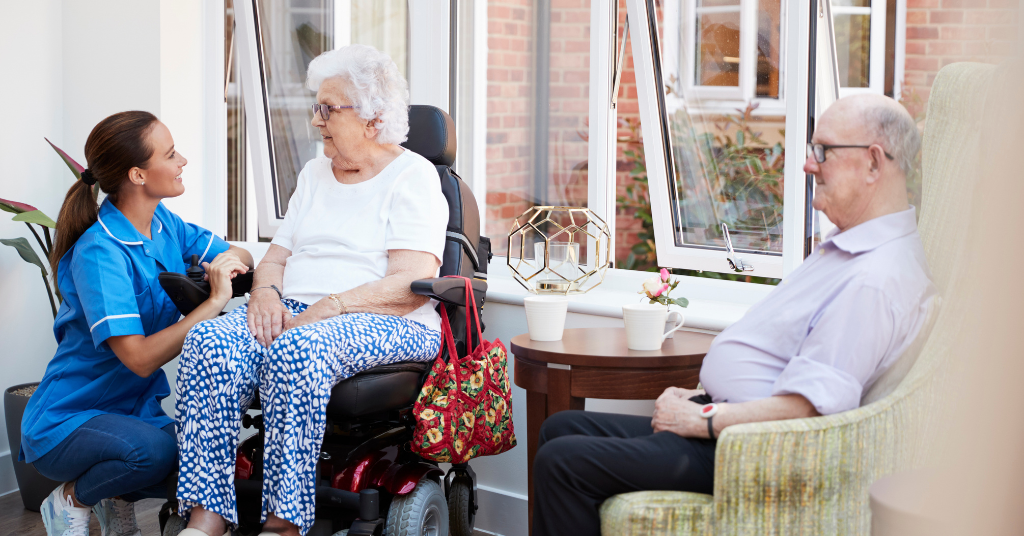

When a hospital recommends rehabilitation after a hospital stay, many families immediately wonder what happens next. If you’ve recently heard the words, “We’re recommending rehab before your mom or dad goes home,” you’re probably feeling overwhelmed, uncertain, and full of questions.
“The doctor says Dad isn’t ready to go home yet.”
“They’re recommending rehab for a couple of weeks.”
“What exactly does that mean?”
Those are questions I hear often.
One day you’re visiting your loved one in the hospital, expecting them to recover and return home. The next day, you’re meeting with a discharge planner who’s talking about skilled nursing, rehabilitation, Medicare, and timelines you’ve never had to think about before. It’s a lot to absorb, especially when you’re already worried about someone you love.
The good news is that rehabilitation is often a temporary step designed to help older adults regain strength, confidence, and independence before returning home—or before determining what level of support they may need moving forward. Understanding the process can make those conversations feel much less intimidating.
When a hospital recommends rehabilitation after a hospital stay, remember that the recommendation is intended to help your loved one regain as much strength and independence as possible.
Why a Hospital Recommends Rehabilitation
A hospital recommends rehabilitation when a patient is medically stable but not yet strong or independent enough to safely return home. This doesn’t necessarily mean your loved one needs long-term nursing care. In many cases, they simply need additional therapy after an illness, surgery, fall, or hospitalization.
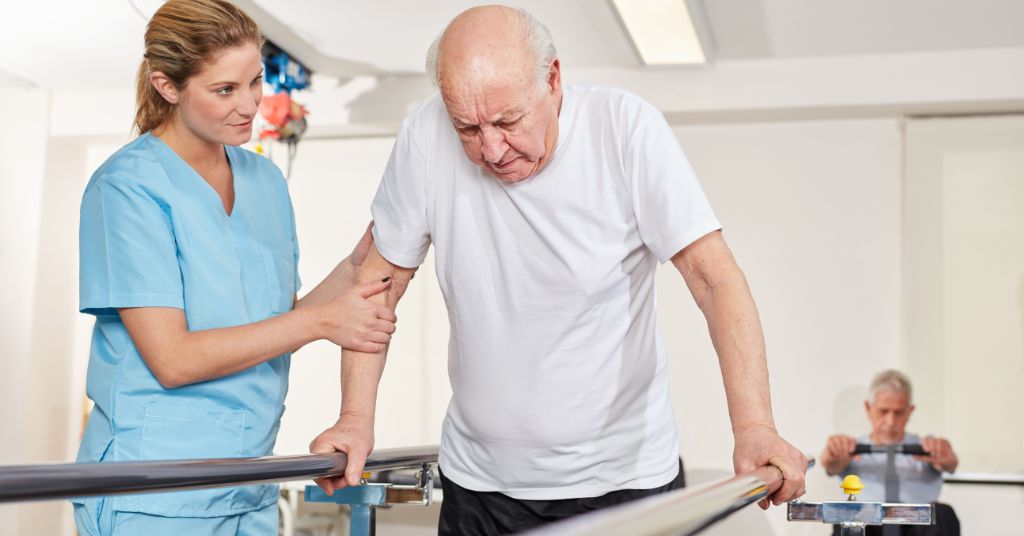
Rehabilitation may include physical therapy to improve strength and balance, occupational therapy to help with daily activities like bathing and dressing, and speech therapy if there have been changes in swallowing, communication, or cognition. The goal is always the same: helping someone recover as much independence as possible.
One thing I’ve learned after helping so many families is that hearing the word “rehab” often creates unnecessary fear because people immediately assume it’s permanent. Most of the time, it isn’t.
Questions to Ask Before Choosing a Hospital Rehabilitation Center
Not every rehabilitation center is the same. Before your loved one is discharged, don’t be afraid to ask questions.
How often will therapy be provided?
What goals are being set for your loved one?
How will progress be measured?
How often will the care team communicate with the family?
What happens if additional care is needed after rehabilitation?
The more you understand before admission, the more confident you’ll feel throughout the process.
The Medicare website also provides helpful information about rehabilitation coverage and post-hospital care if you’d like to better understand your benefits.
What Happens After Hospital Rehabilitation?
Every family’s experience is different after a hospital recommends rehabilitation after a hospital stay, which is why understanding the next steps can bring so much peace of mind. One of the biggest misconceptions families have is believing rehab automatically leads to assisted living or long-term care. Sometimes it does. Often it doesn’t.
Many older adults successfully complete rehabilitation and return home with home health services or a little additional support. Others discover during rehabilitation that living alone has become more difficult than anyone realized. Sometimes the hospital stay simply uncovers challenges that had been quietly developing for months.
If you’ve already begun noticing subtle changes before the hospitalization, you may also find my article “Mom Says She’s Fine… But You Know Something Has Changed” helpful. Families often tell me the hospital stay wasn’t the beginning of the problem—it simply brought the existing concerns into clearer focus.
Rehabilitation can also become an opportunity to step back and honestly evaluate what comes next.
When Hospital Rehabilitation Reveals a Bigger Picture
Can your loved one safely prepare meals?
Will medications be managed correctly?
Are they strong enough to bathe independently?
Is someone available if another fall occurs?
These aren’t easy questions. But they’re important ones. I’ve found that families who begin discussing these possibilities during rehabilitation often feel much more prepared than families who wait until another emergency occurs.
If your loved one is resistant to additional support, you may also find my article “When an Aging Parent Refuses Help: What Families Can Do Next” helpful. Those conversations often become part of the rehabilitation journey as well.
The National Institute on Aging also offers excellent resources for families planning the transition home after a hospitalization.
Preparing for Life After Hospital Rehabilitation
One of the greatest gifts you can give yourself during this time is permission not to have everything figured out immediately. The hospital team is focused on helping your loved one recover medically. Your job isn’t to become an expert overnight. It’s simply to ask questions, gather information, and make thoughtful decisions one step at a time.
I’ve seen families put tremendous pressure on themselves to make the “perfect” decision before discharge. The truth is, there rarely is one perfect answer. There is simply the best decision you can make with the information you have today.
Heartfelt Tip
If your loved one is being discharged to rehabilitation, bring a notebook with you to every meeting. Write down names, phone numbers, therapy goals, medications, and every question that comes to mind. You don’t have to remember everything. You just need a place to keep it. That simple habit can make an overwhelming situation feel much more manageable.
A Final Thought
One thing I wish every family understood is that rehabilitation isn’t a sign of failure. It’s an opportunity. An opportunity to heal. An opportunity to regain strength. An opportunity to learn what support may be needed moving forward.
Sometimes rehabilitation confirms that your loved one can safely return home. Sometimes it reveals that additional help would make life safer and less stressful. Neither outcome should be viewed as losing independence. They’re simply different chapters in the same journey.
If you’re sitting beside a hospital bed today wondering what comes next, take a deep breath. Ask your questions. Lean on the professionals around you. Give yourself permission to learn as you go. And remember, you don’t have to walk this road alone.
If I could give you a heartfelt hug right now, I would.
Because I know these conversations often begin during some of the hardest days a family will ever experience.
— Traci Talley
Founder & Senior Living Advisor
Heartfelt Senior Solutions