

Senior living adjustment doesn’t happen overnight. Even when everyone knows the move was the right decision, the first few days and weeks can bring emotions, questions, and moments no one quite prepared you for.
You may have spent months worrying about safety, comparing communities, touring, making decisions, packing belongings, and finally getting through moving day. Then suddenly, your loved one is there.
And you may find yourself wondering:
Are they going to be happy?
Did we make the right decision?
How long will it take for this to feel like home?
I’ve walked beside many families through this part of the journey, and there’s something I wish more people knew before moving day:
The move itself isn’t the finish line. It’s the beginning of an adjustment.
And that adjustment deserves patience, grace, and time.
Senior Living Adjustment: The First Few Days May Feel Uncertain
The first few days can be emotional for everyone.
Your loved one may be surrounded by kind people, beautiful surroundings, activities, and everything they need — and still miss home.
That doesn’t automatically mean something is wrong.
Think about any major move you’ve made in your own life. Even when you were excited about where you were going, there were unfamiliar sounds, routines, faces, and surroundings to learn.
For an older adult who may have lived in the same home for decades, that change can feel especially significant.
This is why familiar belongings matter so much. Their favorite chair, photographs, quilt, books, lamp, or other small comforts can provide an immediate connection to the life they know.
Sometimes, home begins with the smallest things.
The Adjustment May Not Happen in a Straight Line
One day may feel wonderful.
Your loved one may meet someone at lunch, attend an activity, or tell you about a staff member they really like.
Then the next day they may say:
“I want to go home.”
That can be incredibly difficult to hear.
But one hard day does not necessarily mean the move was a mistake.
Adjustment is rarely a straight line. There can be good days, difficult days, and everything in between while someone begins developing new routines and relationships.
Rather than judging the entire experience by one conversation or one visit, look at the bigger picture over time.
Are they beginning to recognize staff members?
Are they eating regularly?
Have they attended an activity?
Are they starting to talk about another resident by name?
Do they seem more comfortable moving through the community?
Those small changes matter.
Senior Living Adjustment Affects Families Too
Something we don’t talk about enough is that you are adjusting too.
For months — or perhaps years — you may have been the person making sure medications were taken, meals were prepared, appointments were kept, and everything was safe.
Then suddenly, other people are helping with those things.
Relief can arrive right alongside guilt.
You may catch yourself thinking:
Should I be there more?
Am I abandoning them?
Why do I feel relieved?
Relief does not mean you love your loved one any less.
It means you have been carrying a lot.
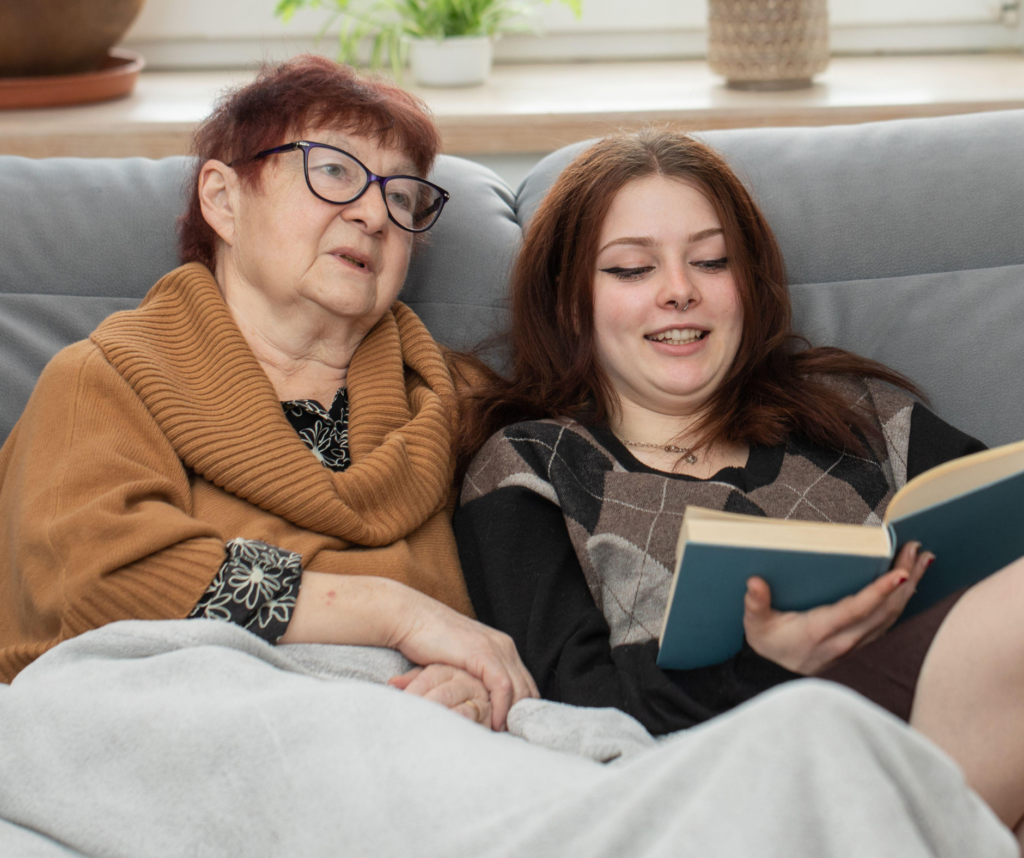
One of the most beautiful changes I see after a move is when an adult child or spouse begins to realize they can simply be present again.
You can sit together, talk, laugh, share a meal. You can begin moving back into the role of daughter, son, spouse, or loved one instead of spending every moment managing care.
Senior Living Adjustment Includes Building a New Routine
The community may already have a full calendar of activities, but your loved one doesn’t need to jump into everything immediately.
Some people walk in and start meeting everyone.
Others need time.
Both are okay.
Encourage connection gently rather than turning it into another obligation.
Maybe the first step is having lunch in the dining room instead of eating alone.
Maybe it’s attending one activity.
Maybe it’s sitting outside and saying hello to another resident.
Small moments of connection can grow into friendships and belonging.
The National Institute on Aging has emphasized the importance of social connection for older adults and the potential health effects of prolonged loneliness and isolation.
That is one reason community can become such an important part of this next chapter.
Be Careful About Trying to “Rescue” Too Quickly
This may be one of the hardest parts.
If your loved one calls during the first week and says they want to leave, every instinct you have may tell you to fix it immediately.
Listen.
Comfort them.
Ask questions.
But also give the transition room to unfold unless there is a genuine concern involving their care, safety, health, or wellbeing.
Talk with the community team. Ask what they are seeing when you aren’t there.
Sometimes a loved one who sounds unhappy during a phone call was laughing at lunch an hour earlier.
You need the full picture.
That doesn’t mean dismissing their feelings. Their feelings matter deeply.
It simply means recognizing that discomfort with change and an inappropriate placement are not necessarily the same thing.
Stay Connected With the Community Team
During the first month, communication can make a tremendous difference.
Ask:
- How are they eating?
- Are they sleeping well?
- Have they joined any activities?
- Are they interacting with other residents?
- Have staff noticed any concerns?
- Is there someone they seem to connect with?
You chose a community because you wanted support. Allow that team to become part of your support system too.
And if something genuinely doesn’t feel right, ask questions.
Your instincts still matter.
Senior Living Adjustment Doesn’t Follow a 30-Day Deadline
Thirty days is not a magic number.
Some seniors settle in quickly. Others need more time.
The goal isn’t to reach Day 30 and declare the transition successful or unsuccessful.
Instead, look for signs that the senior living adjustment is beginning to take hold.
Maybe their apartment feels more familiar.
Maybe they have a favorite table in the dining room.
Maybe someone knows how they like their coffee.
Maybe they mention a new friend.
Maybe you realize you didn’t spend the entire night worrying about whether they were safe.
Those are meaningful signs that a new rhythm is beginning to form.
What No One Tells You About the First Month
The first month may contain tears.
It may also contain laughter.
There may be moments when you question everything.
And there may be a moment — sometimes when you least expect it — when you see your loved one talking with someone, enjoying a meal, participating in an activity, or simply looking comfortable in their new surroundings.
And something inside you begins to soften.
Maybe this really can become home.
That is often how the senior living adjustment happens.
Not all at once.
But one familiar face, one new routine, and one peaceful moment at a time.
If you’d like a little more guidance, I’ve created Heartfelt resources and downloadable guides to support you through each step.
From My Heart to Yours
If your loved one has recently moved and you’re questioning every emotion, every phone call, and every little change, I want you to give yourself permission to let this new chapter unfold.
You worked so hard to get here.
You made decisions you never imagined you would have to make, all because you wanted someone you love to be safe, supported, and cared for.
And now there is another kind of work to do.
Not packing.
Not touring.
Not making lists.
Just allowing time.
Time for your loved one to discover familiar faces in an unfamiliar place.
Time for new routines to begin feeling natural.
Time for you to realize you don’t have to carry every responsibility alone anymore.
I’ve seen families reach this point with tears in their eyes, wondering if they made the right choice — and later watched those same families breathe easier when they saw their loved one begin to settle, connect, and feel at home.
Give the process grace.
Give your loved one grace.
And please give yourself some too.
At Heartfelt Senior Solutions, I’m here before the move, during the move, and through the moments afterward when you simply need reassurance, perspective, or someone who understands what this transition can feel like.
You don’t have to walk this part alone either.
— Traci Talley
Heartfelt Senior Solutions